Collections at Beta Cottage are ongoing – Celebrations of object, color, and curiosity.
Collections are inherited in part by the cottage founders. As the collections are conserved, additions are slowly made through acquisition and happenstance..
Collections at Beta Cottage tend to walk a line between functional utilitarianism and design history. All items in the collections are cataloged in the collection index.
The Coleman Lantern
The cottage is home to over 20 coleman lanterns. The collection ranges from an installation of packaged lanterns to several functional lanterns situated in the cottage.
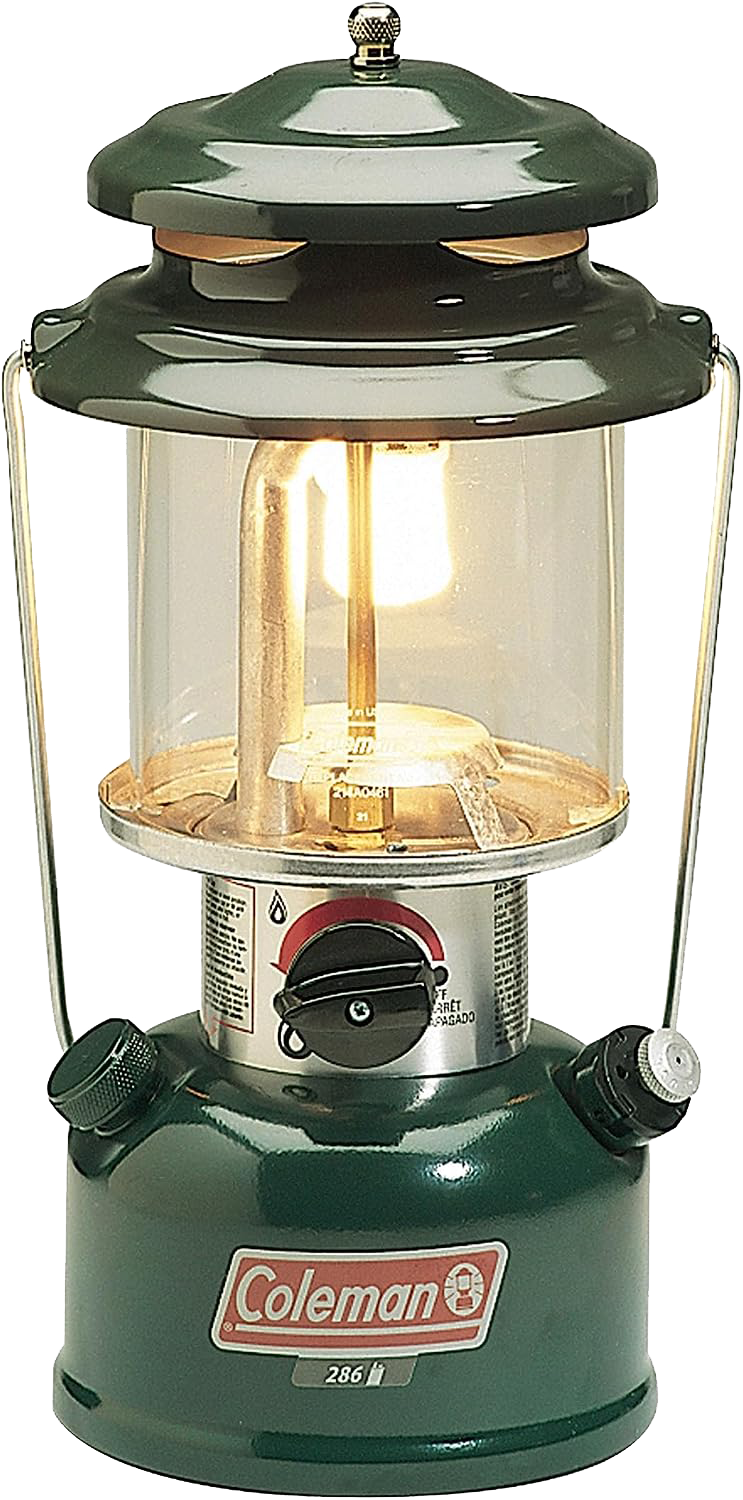
Model 200A
Known as the "Little Red Lantern," this compact 1-mantle design was produced from the 1950s into the 1970s and is highly collectible.
220 Series
Produced from the 1920s into the 1980s, it features a standard, narrow-brimmed ventilator hat designed for general multi-directional lighting
228 Series
The classic "green" 2-mantle lanterns. They are incredibly reliable, featuring a wide-brimmed ventilator hat that acts as a reflector to cast more light downward.
Model 290
A slightly larger, brighter version of the Premium lantern that produces up to 800 lumens.
Flags
Beta’s 30ft flagpole is situated at the south-east corner of Beta, between the woodshed and the cottage. It was fabricated by a welder local to Galiano Island. Our collection is small and growing. Consider bringing one to add to the collection.
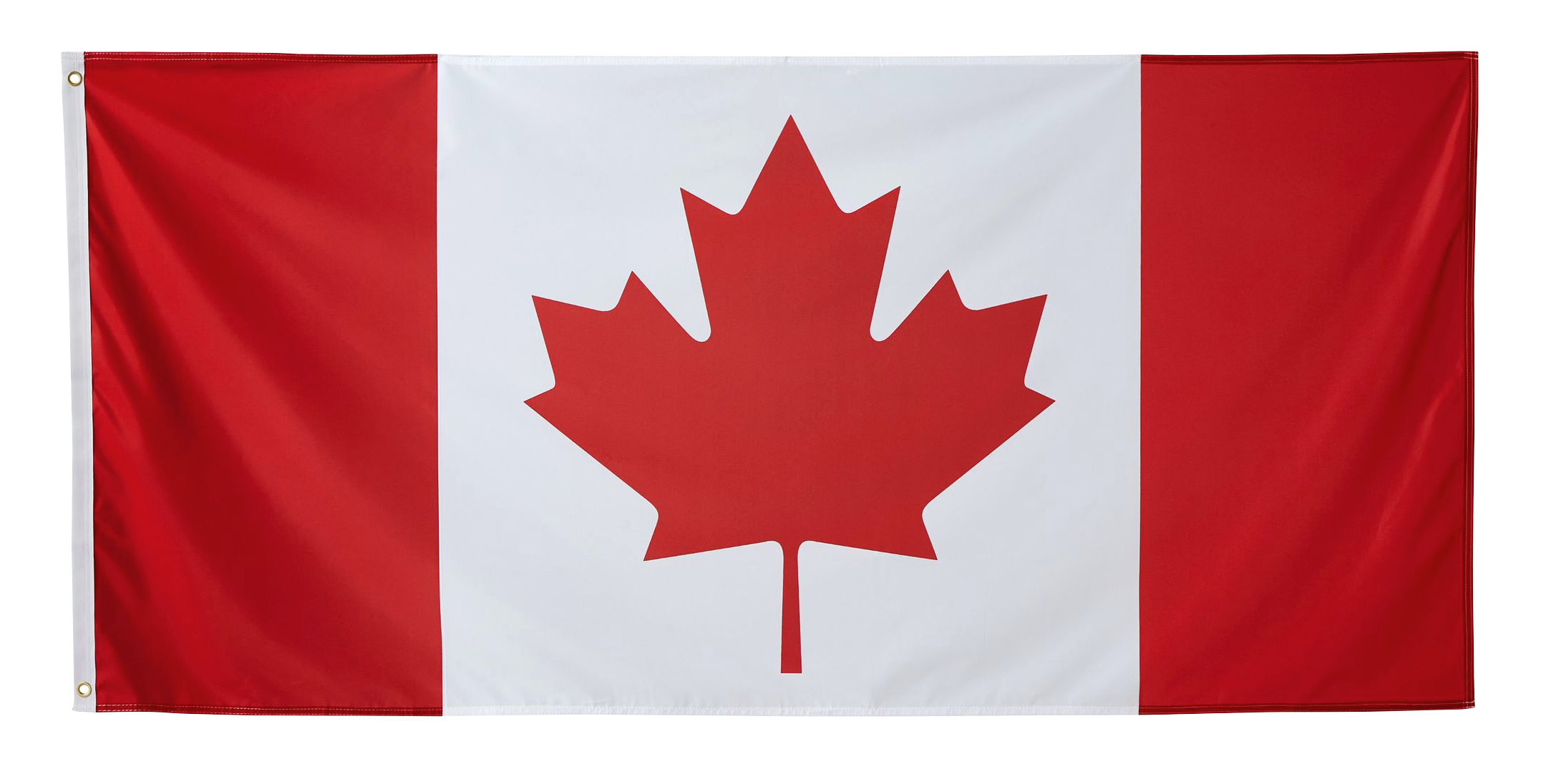
National Flags
Our flag collection is just starting, inspired by the Scurr collection next door at Paradise Care Home. We currently have 5 country flags in the collection..
Provincial Flags
Each Canadian provincial flag features distinct symbols reflecting the province's unique British, French, or Indigenous history.
Signal Flags
signal flags are internationally recognized, color-coded flags used primarily by ships at sea to communicate visually over short distances.
Service Flags
Functional markers used within military installations to organize personnel, communicate command structure, and indicate a base's specific mission.

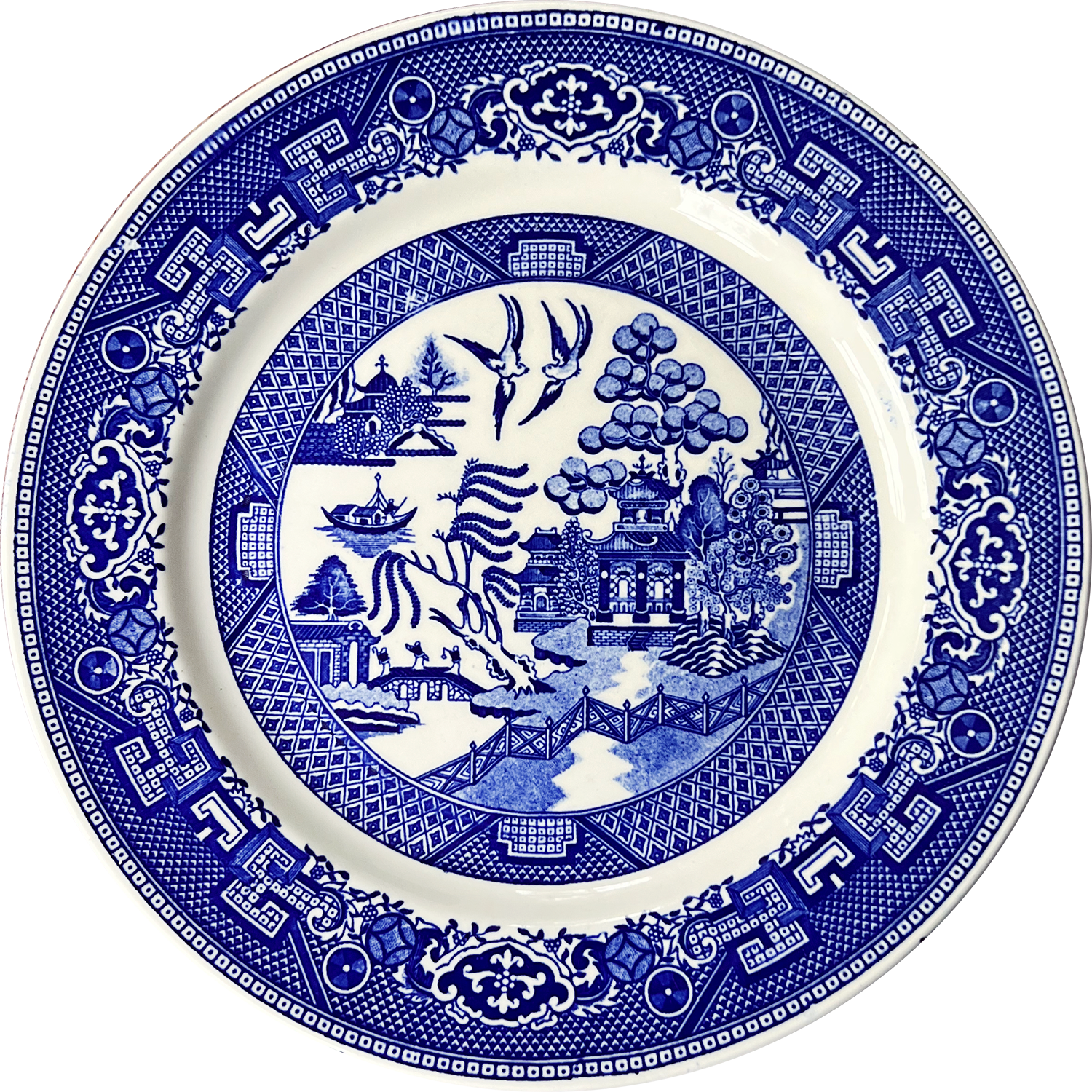
Ceramics, glass, and tableware at Beta share one consistent theme: they feature the use of cobalt or ultramarine blue
Traditionally, tableware makers used similar recipes for the blue-dyed underglaze. Glassmakers achieved a similar dark blue by melting cobalt oxide directly into molten glass batches. Just as in ceramics, cobalt is the strongest coloring agent in glassmaking; adding less than one percent of it turns a batch of clear glass into an intense, deep royal blue known historically as "Cobalt Blue" or "Bristol Blue."
The red Thread is Blue
CERAMICS & GLASS
Comprehensive Comparison of Blue-and-White Ceramic Traditions
Material Base
Style Name
Cobalt Shade
Design Motifs
China
True Porcelain (Kaolin clay)
Porcelain
Vibrant sapphire to bright navy
Dragons, lotus, court scenes
Netherlands
Delftware (Delfts Blauw)
Tin-glazed Earthenware
Soft, rich cobalt blue
Windmills, tulips, canal houses
Smoky, gray-blue or dark indigo
Japan
Sometsuke
True Porcelain (Kaolin clay)
Nature, landscapes, abstract geometric
Deep royal blue to bleeding midnight
England
Staffordshire / Flow Blue
Earthenware / Ironstone
Blue Willow, pastoral landscapes
Stylized pomegranates ("onions")
Germany
Meissen / Blue Onion
True Porcelain (Hard-paste)
Crisp, precise dark navy
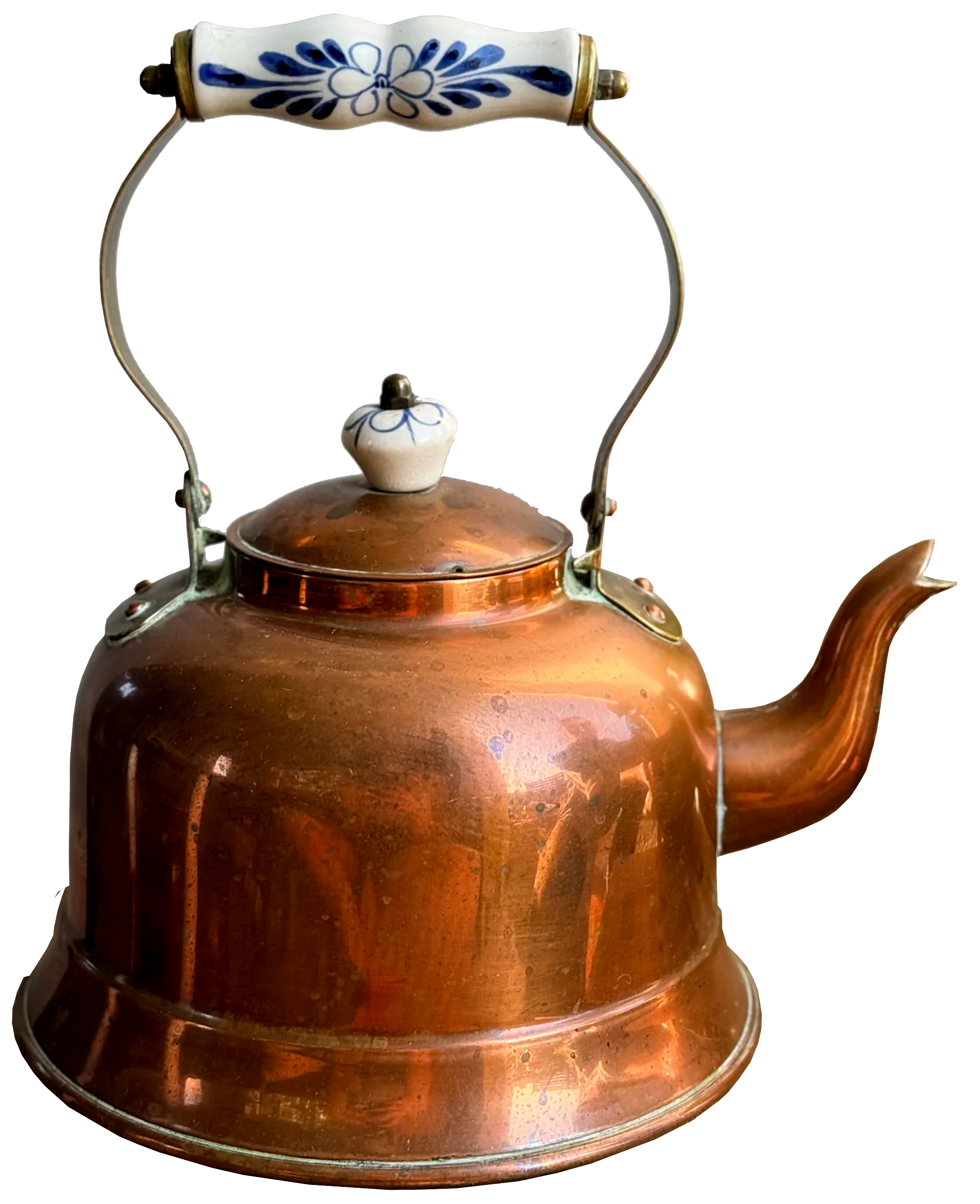
Copper cookware and containers offer unmatched heat control and timeless beauty. Because raw copper reacts with acidic foods, these items must be lined with tin or stainless steel for cooking, or left unlined for specific, non-acidic uses like boiling sugar or storing water.
Copper heats up 25 times faster than stainless steel and distributes heat evenly. Cooks value it for delicate tasks like melting sugar or simmering sauces because it responds instantly when you change the stove's temperature.
opper water vessels and containers are tied to traditional wellness. Copper is naturally antibacterial and anti-viral, making it a hygienic choice for storing water or cooking food.